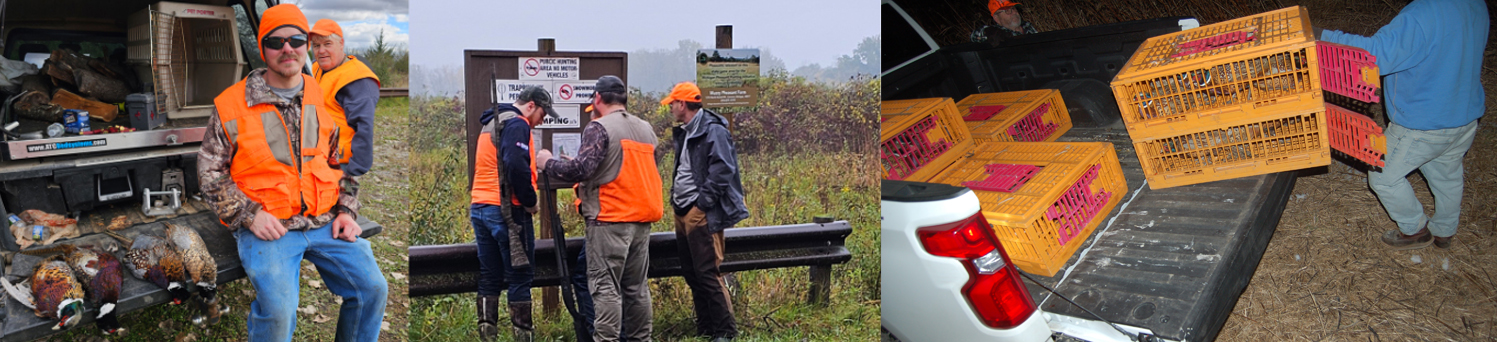
Everything you need to know about hunting the MPHI release program.
Can we shoot hens?
No. Only roosters (male pheasants) may be harvested. Hen pheasants are protected and may not be shot, even on MPHI release sites.
Do I need steel shot?
Yes, in a couple of the State Game Areas. The majority of MPHI release sites are on state game areas where lead shot is allowed. Hunters should always check the specific regulations for the area they plan to hunt.
What is the daily bag limit?
Hunters must follow Michigan's statewide pheasant bag limits and season regulations as published in the annual hunting digest.
Why aren't hens released?
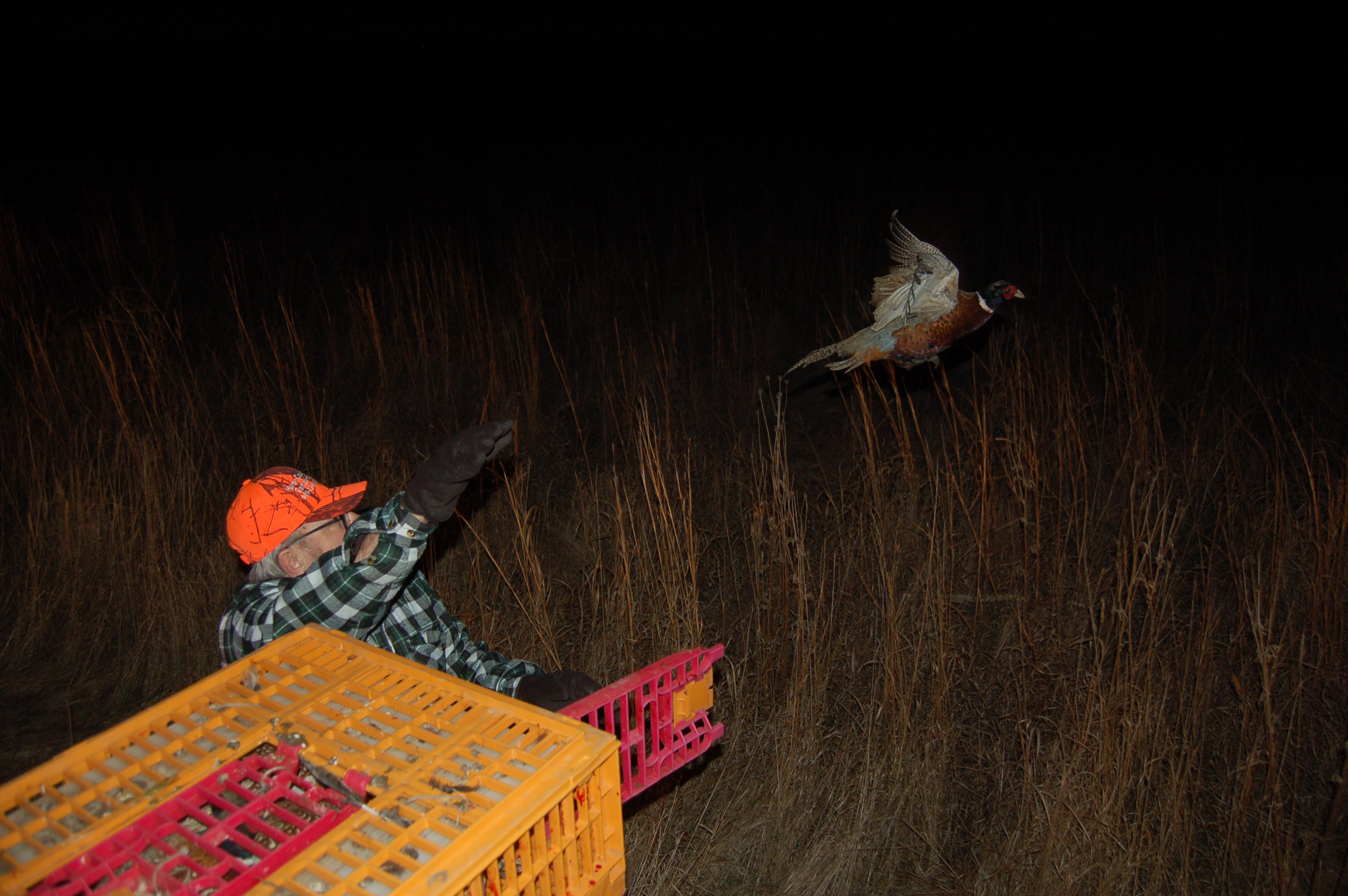
Hens are not released because the program is designed to maximize hunting opportunity, not to establish breeding populations. Releasing hens would not significantly improve long-term survival or reproduction due to habitat limitations and predation, so funds are focused on releasing birds that provide the best hunting experience.
How did the DNR come up with this plan?
The program was developed by the Michigan Pheasant Hunting Initiative (MPHI) after the Michigan Department of Natural Resources declined to create a pheasant release program on its own. MPHI worked with legislators to establish the program in law, requiring the DNR to administer it. The result is a self-funded program — supported entirely by pheasant license fees — that provides hunting opportunity on public land without using taxpayer dollars.
Why doesn't Michigan release more pheasants?
The number of birds released is directly tied to pheasant license sales. The program is self-funded, meaning more licenses sold results in more birds released. There is no additional taxpayer funding supplementing the program.
How does this help pheasant populations grow?
This program is not intended to rebuild wild pheasant populations. Like 23 other state programs, its purpose is to provide hunting opportunity. Long-term population growth depends on large-scale habitat improvements across the landscape, which is a separate challenge. Pheasants Forever has been trying to increase the pheasant population for over 40 years through habitat restoration. Many of our members are also PF members. If you believe their work is increasing the pheasant population in Michigan, we urge you to join PF and hunt some of the public and private properties that they have managed.
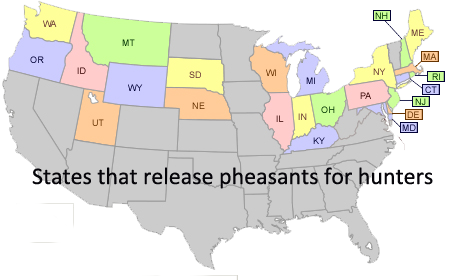
States with public pheasant release programs
Has the program grown since it started in 2019?
Significantly. MPHI launched in 2019 with birds released at 9 state game areas. The program has since grown to 13 release sites with 32 separate release zones across southern Michigan. Approximately 12,000 pheasant licenses were sold in the 2024 season, and MPHI successfully lobbied the Michigan Legislature to eliminate the sunset provision that would have ended the program in January 2026 — making it a permanent part of Michigan's hunting landscape.
Do I need a pheasant license to hunt these birds?
A pheasant license is required to hunt pheasants on public lands in Michigan's Lower Peninsula. Some hunters are exempt, including those hunting on private land, youth hunters, and certain license holders.
Do I need a base license in addition to the pheasant license?
Yes. A Michigan base hunting license is required in addition to the $25 pheasant license to hunt on public lands in the Lower Peninsula. Both must be in your possession while hunting.
Is the pheasant license a kill tag?
No. The pheasant license is not a kill tag. It is required to participate in the public-land pheasant program.
Can out-of-state hunters participate?
Yes. Out-of-state hunters are welcome to participate in the MPHI release program. Non-resident hunters will need a Michigan base hunting license, which costs more than the resident base license, plus the $25 pheasant license — the same cost as for residents. All the same rules and regulations apply.
Can I hunt multiple sites in the same day?
Yes. There is no restriction on hunting multiple release sites in the same day, as long as you stay within the daily bag limit of two roosters and four in possession. With 13 sites spread across southern Michigan, some hunters make a day of it and cover more than one area.
Where are pheasants released?
Pheasants are released on 13 designated state game areas across southern Michigan. Locations and parking areas are published by the DNR each season.
Can I hunt these sites successfully without a dog?
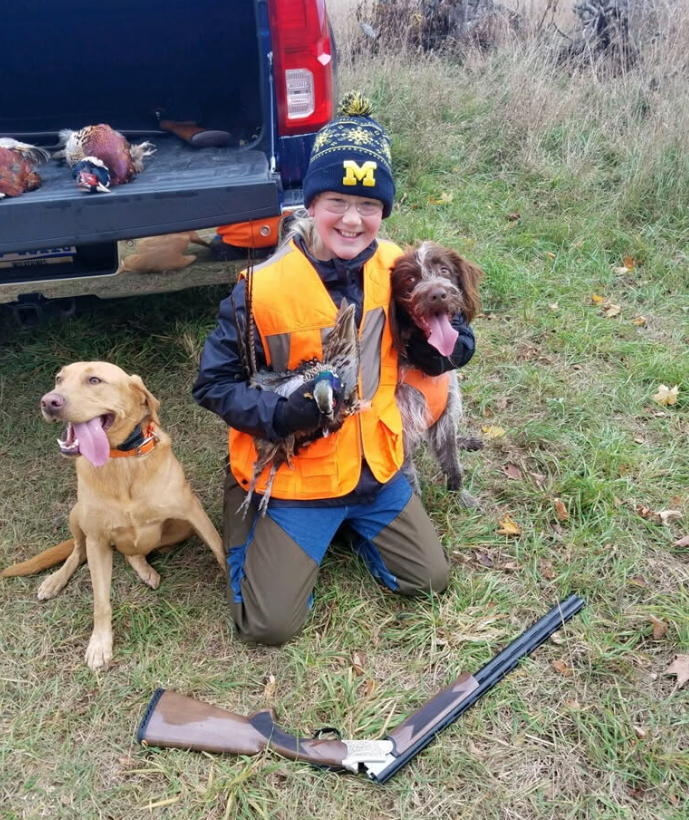
Yes. While a dog can greatly improve success, many hunters harvest birds without one. Walking likely cover, focusing on edges, and hunting with a partner to push cover can all be effective strategies.
How long will the released birds live if not shot right away?
Survival varies, but these birds are intended to be harvested within a few days of release. Those that are not harvested can survive for weeks or longer, though predation, weather, and dispersal reduce survival over time. Many of the game breeders report that they see hens with their young walking around in the spring on their shooting preserves. These hens were birds that did not get shot the previous year. It's not far-fetched to believe it may happen on the state game areas as well, but these areas are also home to hawks, owls, raccoons, skunks, opossums, coyotes, and foxes.
What time does shooting hours start and end?
Shooting hours for pheasant follow Michigan's standard upland game regulations — one-half hour before sunrise to sunset. Always check the current Michigan Hunting Digest for exact times, as they vary by date and location.
What type of shotgun and shot size is recommended?
Any shotgun legal for upland game hunting in Michigan is suitable. Most pheasant hunters favor a 12 or 20 gauge with modified or improved modified choke. Shot sizes 4, 5, or 6 are popular choices for roosters. Remember that a couple of MPHI release sites require non-toxic shot — always check the specific regulations for the area you plan to hunt before heading out.
Can I bring more than one dog?
Yes. There is no restriction on the number of dogs you can bring. In fact, pheasant hunting is one of the best activities for sporting dogs, and many hunters use the MPHI release program specifically to give their dogs quality field experience. Just be mindful of other hunters sharing the area.
I've never hunted pheasants before — where do I start?
The MPHI program is one of the best ways to get into pheasant hunting. Start by purchasing a Michigan base hunting license and a $25 pheasant license. Pick one of the 13 release sites, check the DNR map for parking areas, and head out during the season. Wear blaze orange, bring a shotgun loaded with appropriate shot, and walk the heavier cover — field edges, grassy draws, and cattail borders are all good places to start. Don't be discouraged if your first outing is slow. The more you get out, the better you'll understand how and where the birds move.
Is pheasant hunting safe for families and beginners?
Absolutely. Pheasant hunting on open public fields is one of the most beginner-friendly forms of hunting there is. It doesn't require a tree stand, a blind, or sitting still for hours. You walk, you talk, you enjoy the outdoors with people you like. Basic firearm safety rules apply as always — keep the muzzle pointed in a safe direction, finger off the trigger until ready to shoot, and be aware of what's beyond your target. With a little preparation and common sense, it's a great experience for the whole family.
What should I wear?
Blaze orange is required by law for pheasant hunters in Michigan — a minimum of 50% blaze orange must be visible from all sides. Beyond that, sturdy boots are a must as you'll be walking through grass, brush, and potentially wet or muddy conditions. Layering is smart for Michigan's fall weather, which can range from warm October afternoons to cold December mornings. Brush pants or chaps are worth considering if you're hunting heavy cover — pheasants love the thick stuff.
What about crowding? Should I leave if there are other hunters already in the field?
Pheasant hunting is nothing like deer hunting — don't let a busy parking lot turn you away. A single group of hunters cannot effectively cover a 200-acre field. Birds will evade them, hold tight in cover that was missed, and relocate to other areas of the field. If you see other hunters already working the area, give them reasonable space, be courteous, and hunt. More boots on the ground can actually push birds toward you. The fields are big enough for everyone, and some of the best hunting happens in the spots other hunters walked right past.
Why is it a secret when the birds are getting released?
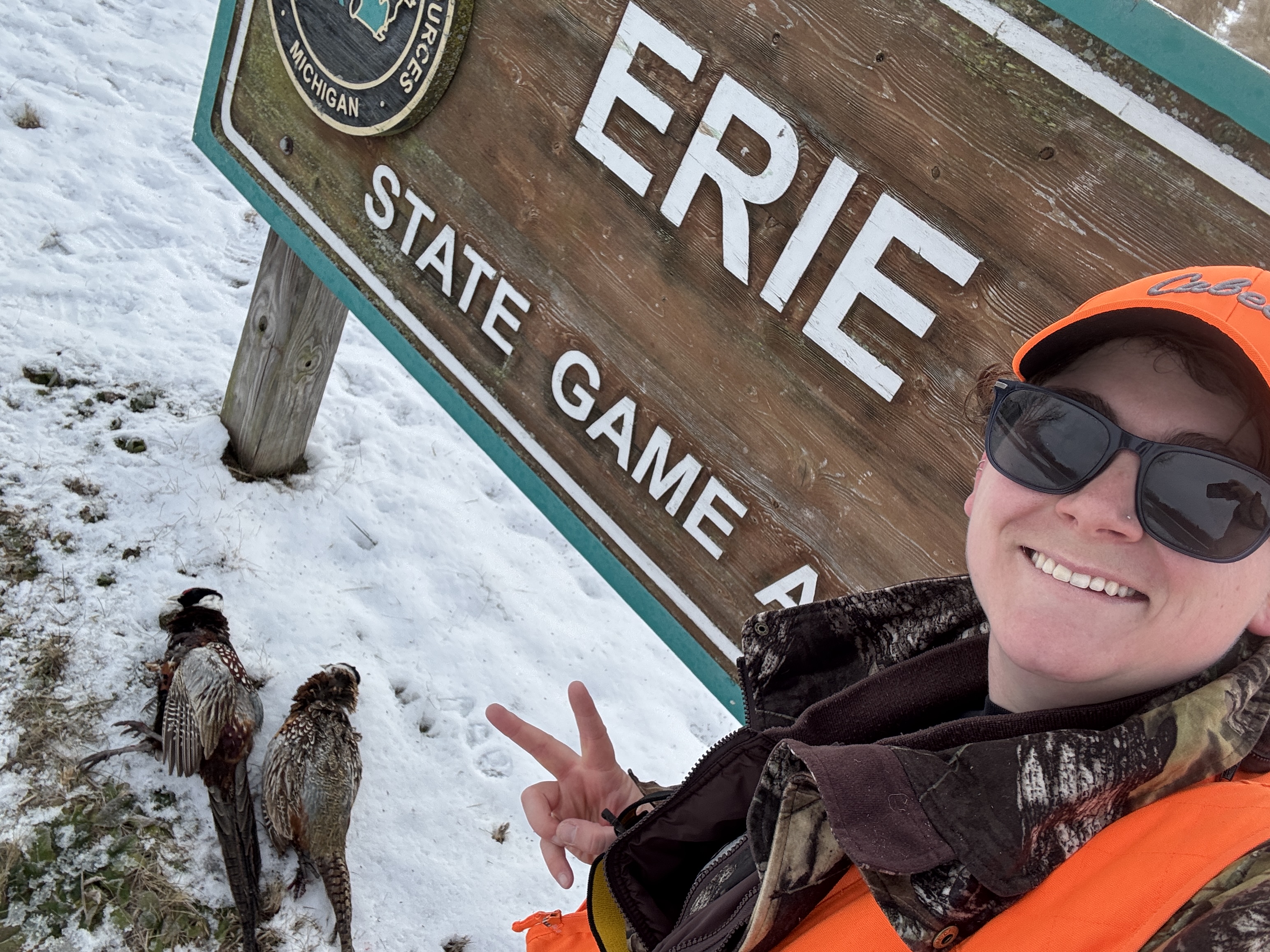
Release timing is not publicly announced to prevent overcrowding and ensure a fair experience for all hunters. If exact times were shared, it could lead to excessive pressure at specific locations. MPHI worked hard to ensure that both weekday hunters and weekend hunters would have fresh birds in the fields.
When do the birds get released?
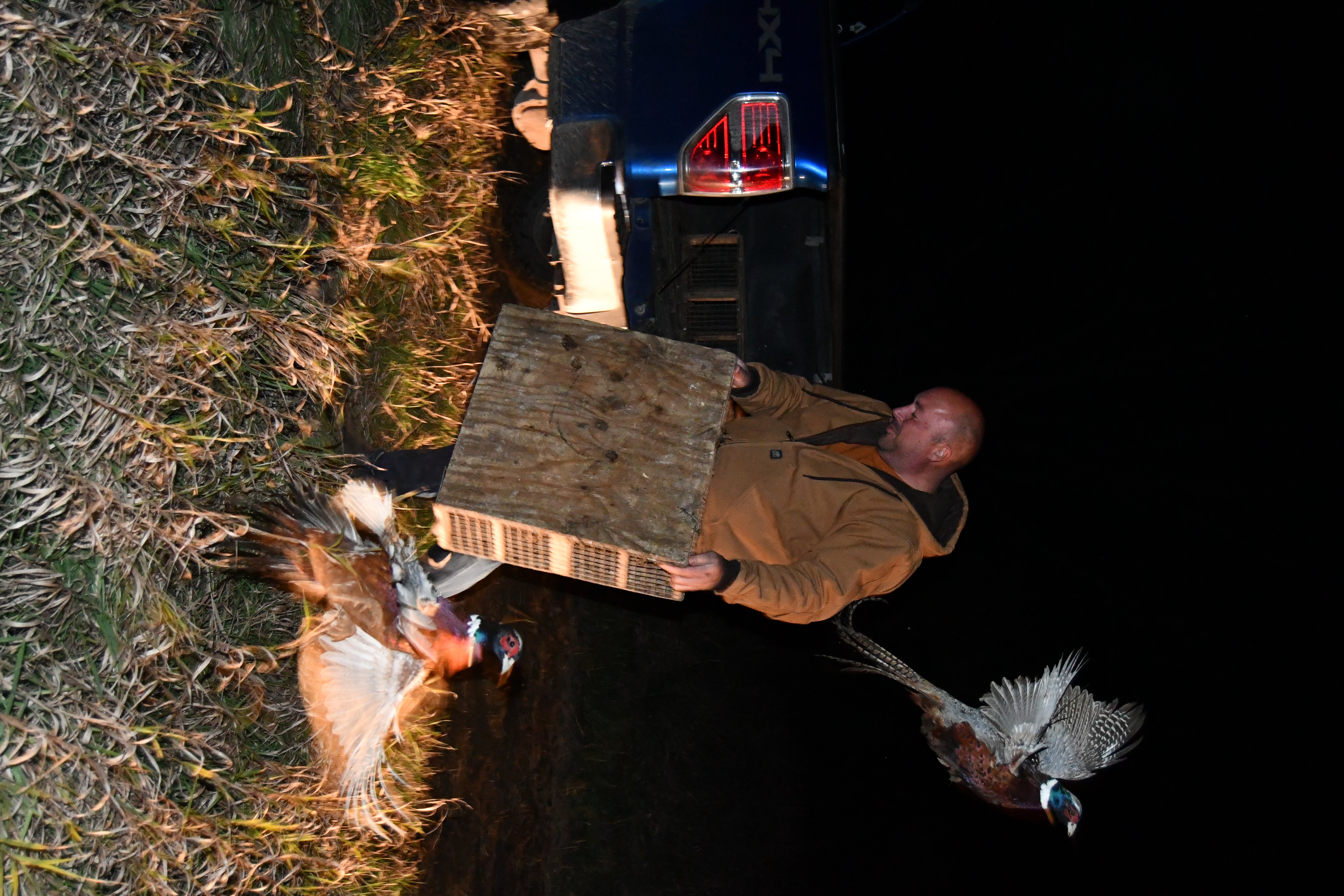
Roosters are released after shooting hours at each release site. The releases take place twice a week in the dark.
Are birds released all season long?
Releases occur during the regular pheasant season, including both the fall and December seasons at most sites.
What happens if I arrive at a site and there are no birds?
It happens. Birds are released twice a week after dark, so timing your visit shortly after a release gives you the best odds. If you're not finding birds, try a different area of the field, focus on heavier cover, or consider checking another release site. Don't get discouraged — hunting pressure, weather, and predators all affect bird availability. MPHI members have successfully harvested pheasants weeks after a release, so birds can linger longer than you might expect.
Are all 13 sites stocked equally?
Yes, in a scientific kind of way. The DNR distributes birds based on the huntable acreage at each site, so larger areas receive more birds. The goal is to maintain a consistent rooster-to-acre ratio across all sites, giving hunters a similar opportunity regardless of which location they choose.
Where do the birds come from?
The birds are purchased from licensed Michigan game bird breeders who raise pheasants specifically for their own shooting preserve programs. These are the same quality pheasants that their clients are being charged $30 each for.
Are the birds healthy and strong fliers?
Yes. The birds are purchased from licensed Michigan game bird breeders who raise pheasants specifically for their shooting preserve programs — the same quality birds their paying clients hunt for $30 each. These are not weak or disoriented birds. Once released into the field, they quickly adapt to their surroundings and can be challenging, fast-flying birds that will test any shooter.
If I call one of the bird breeders, will they tell me when they will release the birds?
No. Release timing and locations are coordinated through the DNR and are not shared publicly by breeders. They can lose their contract if they disclose the release days.
Is it true that hunters use cameras and other means to determine when the releases have happened?
Some hunters try to predict or observe release activity, but this is not part of the program and is not necessary to have a successful hunt. Birds are distributed throughout the season to provide opportunity for all participants. MPHI members have harvested pheasants weeks after they were released.
How do we know for a fact that the birds have been released?
The program is administered by the Michigan DNR. The bird breeders are required to send the DNR time stamped photos of the birds being released. The meta data on the photos also show the DNR exactly where the picture was taken, assuring that the same photo isn't used twice and that release locations are being satisfied.
How is MPHI funded beyond license fees?
The pheasant license fee is the primary funding source for the bird purchases, administered through the state. MPHI itself operates entirely on donations and membership support. Not a single dollar of those contributions goes to salaries — it all goes toward furthering the program. You can donate through the website via PayPal.
How do I support MPHI or get involved?
The best way to support MPHI is to buy your pheasant license every season — that directly funds bird releases. Bring a friend hunting too — that's one more license sold and one more person experiencing what this program has to offer. Beyond that, you can make a donation that may be tax deductible through the website via PayPal, spread the word to fellow hunters, and follow MPHI on Facebook and Instagram to stay current on program news and updates.